Cape Coral Museum Of History Visitor Guide And Must-See Exhibits
Ever wonder what Cape Coral looked like before the bridges, canals, and busy neighborhoods? The Cape Coral history museum is one of the easiest ways to connect the dots, because it tells the city's story through real artifacts, photos, and hands-on local knowledge.
This guide covers what to see, what to plan, and how to make your visit smooth in February 2026. It's written for travelers and locals who want a fun stop that still feels grounded and personal, not like a giant, rushed attraction.
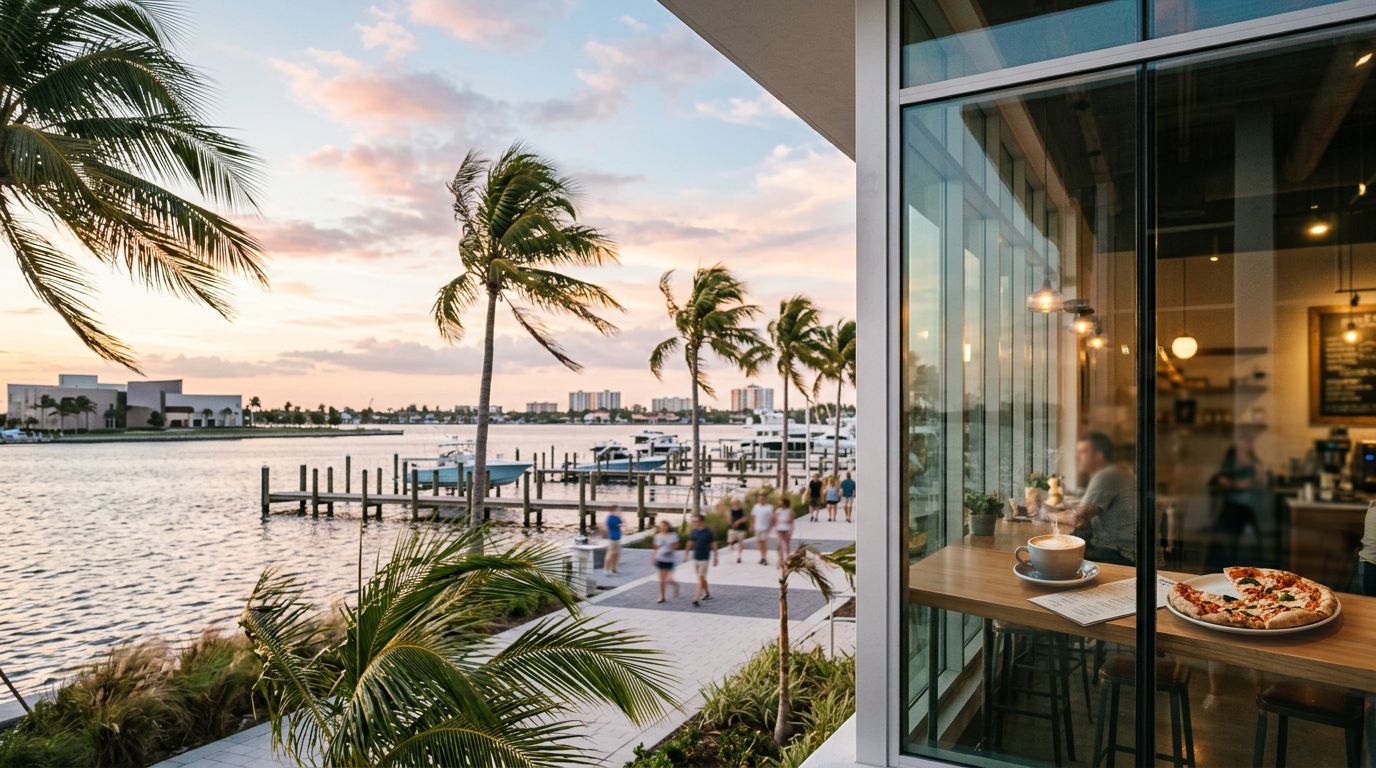
If you're building a simple day plan, the museum pairs well with lunch after, yes, pizza counts as a perfectly reasonable "reward" for learning something new.
Plan your visit: location, hours, admission, and what to expect
The museum sits in Cape Coral's Cultural Park area at 544 Cultural Park Boulevard, Cape Coral, FL 33990 . Start with the official visitor details on the museum's own page, because that's where updates land first: official visit info. For a quick look at everything the museum offers (including the multi-building campus), the main site is also useful: Cape Coral History Museum website.
Here's the practical info most people want before they go:
| Detail | What to know (Feb 2026) |
|---|---|
| Address | 544 Cultural Park Boulevard, Cape Coral, FL 33990 |
| Hours | Wed to Fri: 11 am to 4 pm, Sat: 10 am to 2 pm |
| Closed | Sun, Mon, Tue |
| Adult admission | $10 (age 18+) |
| Discounts | Seniors (62+): $5, Military (with ID): $5, Students: $3 |
| Kids | Free (5 and under) |
Those prices and hours come from the museum's current visitor page, so use it as your source of truth before you drive over: museum hours and admission.
A few expectations help set the tone. This is not a massive, all-day complex. It's more like walking into Cape Coral's family album, except the "photos" include buildings, land sales history, and the early choices that shaped the city. Give yourself breathing room to read the panels and ask questions, because staff and volunteers often know the stories behind the objects.
Quick tip: Arrive early on Saturday. The shorter hours can make the museum feel busier, even when the campus stays calm.
Accessibility and mobility notes (what's confirmed, what isn't)
Official pages don't spell out detailed accessibility features (ramps, elevators, door widths, and so on). Because the museum campus includes multiple buildings, it's smart to call ahead if you need step-free access or have a stroller or wheelchair. That one quick check can prevent a stressful visit.
Must-see exhibits: what not to skip on your first trip
If you only have an hour or two, it helps to walk in with a "must-see" mindset. The museum's exhibit space focuses on Cape Coral's growth, the people who lived and worked here, and the land development story that made the city what it is today. For the most current exhibit list and notes about the campus buildings, use the museum's exhibit page: current exhibits and campus details.
The Rosen story and early development of Cape Coral
Cape Coral didn't grow by accident. The museum highlights the developers and big decisions that influenced the city's layout and identity, including the Rosen brothers and the Gulf American Land Corporation connection. Even if you're not a "history person," this section clicks because it explains why Cape Coral feels so planned in some places and so water-focused in others.
Look for visuals that show early marketing and community plans. Those pieces make the city's timeline feel real, not abstract. It's like seeing the first sketch of a house you now live in, you suddenly understand why that wall is where it is.
Local life: from early residents to essential services
Another strong area focuses on everyday life as Cape Coral grew, including community services like police, fire, and medical care. These displays tend to be crowd favorites because they feel personal. A uniform, an old photo, or a piece of equipment can pull you into a different decade fast.
You'll also see content that reflects Southwest Florida's deeper background, including Indigenous history. That context matters, because it reminds visitors the area's story didn't begin when modern neighborhoods showed up.
The buildings and gardens: don't treat them like "just the campus"
The museum isn't a single-room stop. It's a small campus with multiple buildings and garden areas. Instead of rushing from case to case, slow down between spaces. That pause helps the visit feel less like a checklist and more like a walk through time.
If you enjoy reading plaques and small details, plan extra minutes for the transitions. Those are often where conversations happen, and a volunteer might point out something you would've missed.
Tours, rotating exhibits, and how to catch something new
A repeat visit feels different when you time it around programs and temporary displays. The museum notes that it hosts up to four temporary exhibitions each year , but specific February 2026 temporary exhibit details are not clearly posted in the sources available here. Because of that, the safest move is to check the museum's event listings close to your travel date: museum calendar and events.
If you prefer structure, guided tours can be a good fit. The museum has referenced hourly tours in its public info, and visitors can often walk in without much hassle. Still, schedules can shift for staffing, school groups, or special events. Checking the calendar (or calling) is the best way to avoid showing up right after the last tour time.
How long should you plan to stay?
Most first-time visitors do well with 60 to 120 minutes . An hour is enough for highlights and a quick lap. Two hours gives you time to read more, browse the museum store, and ask questions.
If you're visiting Cape Coral for food, beaches, or baseball season, this museum stop works well as a midday break. It's indoors, it's focused, and it won't eat your whole day.
Pair it with lunch after (yes, pizza is part of the plan)
A museum visit tends to spark that "let's keep the day going" feeling. After you've walked through local history, grabbing pizza nearby makes the outing feel complete. If you're choosing where to order, scanning Cape Coral pizza customer reviews can help you pick with confidence instead of guessing when everyone's hungry.
Quick checklist for a smooth museum day
Use this short list right before you head out:
- Confirm hours and prices on the official page: museum visit info
- Check for events or temporary exhibits : museum calendar
- Plan 1 to 2 hours , depending on how much you like reading displays
- Call ahead for accessibility needs , since detailed features aren't clearly listed online
- Bring curiosity , because the best moments often come from one surprising photo or artifact
- Leave time for lunch after , especially if you want to keep exploring Cape Coral
Cape Coral's story isn't tucked away in a textbook. It's right here, laid out in snapshots, objects, and local voices. Visit the Cape Coral history museum , take your time with the exhibits, then head out and enjoy the city you understand a little better.