Burrowing Owl Watching In Cape Coral Best Spots And Etiquette
If you've never seen a burrowing owl up close, the first time feels a little unreal. An owl standing on the ground, blinking in the sun, like it owns the whole neighborhood.
Cape Coral is one of the best places in Florida to spot them. Still, the best view isn't worth it if the birds get stressed, or if people crowd a burrow. This guide keeps it simple: where to look (without sharing sensitive locations), when you're most likely to see owls, and the etiquette that helps them thrive.
And yes, you can make it part of a perfect local day, owls first, pizza after.
Where to look for a Cape Coral burrowing owl (without sharing exact burrows)
A cape coral burrowing owl doesn't live deep in the woods. It prefers open, dry ground with short grass. That's why Cape Coral's mix of wide rights-of-way, open lots, and parks can support them.
The key is choosing places where you can watch from public access without stepping into habitat. Think of it like window shopping. You can look, but you don't walk into the store.
Here are the most ethical, low-impact ways to find owls without publishing hyper-specific burrow addresses:
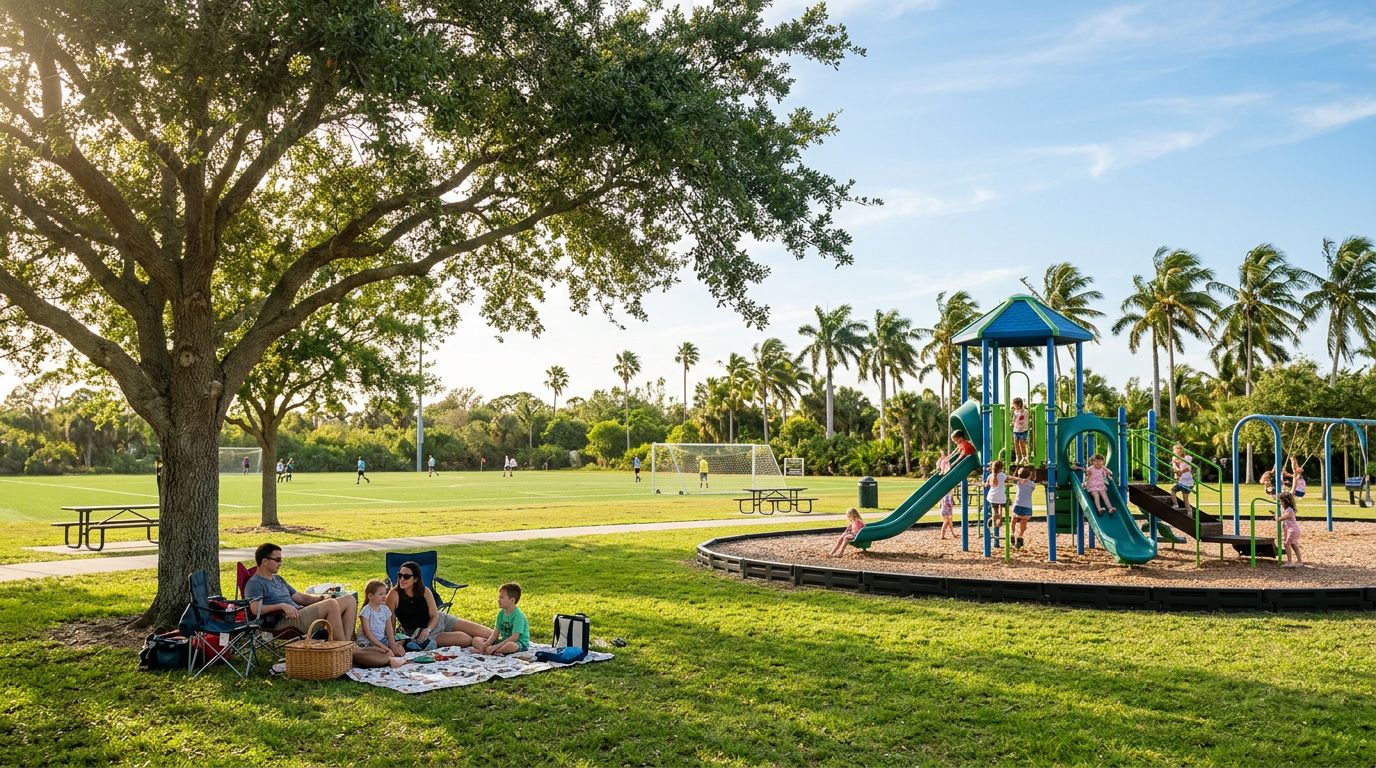
- Public parks with open fields : Look along edges of mowed areas where you can stay on paths and sidewalks.
- City rights-of-way and sidewalks : Many burrows sit near roads, but that doesn't make the lot public. Watch from the sidewalk only, and don't cross fences or posted signs.
- Public conservation lands and preserves : Open habitat often equals owl habitat, but always follow trail rules and closures.
If you want background on why Cape Coral is so important for these birds, start with Cape Coral Friends of Wildlife's burrowing owl overview. It explains the local population and why human behavior matters so much here.
One more idea if you're visiting in late February: the local community often shares education resources during the annual event. The Burrowing Owl Festival details are worth checking if you want structured learning rather than driving around guessing.
Burrow locations can change from season to season. Always follow posted signs, respect private property, and use public viewing areas only.
Best times to spot them, and what to watch for (without getting too close)
Burrowing owls in Florida don't migrate, so you can see them year-round. Still, your odds go up when the weather is mild and the birds spend more time outside the burrow.
In Cape Coral, many locals find the most consistent viewing from winter into early summer. That window overlaps with nesting and chick-rearing, which makes etiquette even more important.
Time of day matters too. Early morning and late afternoon often feel calmer. The light is softer, the heat is lower, and you can watch without baking in your car. Midday sightings happen, but you'll usually be staring into glare.
Want a simple seasonal rundown? This guide on the best time to see burrowing owls helps set expectations without turning it into a scavenger hunt.
When you do spot a burrow area, let the owls tell you how you're doing:
- If an owl stands tall and stiff, or bobs its head repeatedly, you're probably too close.
- If it retreats into the burrow and stays hidden, you've ended the show. Back up and move on.
- If the owl keeps a relaxed posture and resumes normal behavior, you're likely at a safe distance.
Bring binoculars if you have them. They're the best "cheat code" for viewing because they let you keep space. A phone zoom works too, but don't walk closer just for a sharper photo.
Also, keep your visit short. Think of it like a quick hello, not a long hangout. The longer people linger, the more likely the birds delay hunting, feeding, or tending chicks.
Burrowing owl etiquette and legal protections in Cape Coral
Cape Coral's owls live close to people, which is a gift and a risk. The risk is loving them the wrong way. The safest approach is simple: don't change their day .
Start with distance. Local guidance often recommends staying well back, and many advocates use 20 feet as a practical minimum when you're watching from a public spot.
If you're close enough to see tiny details without binoculars, you're probably too close.
Next, avoid the behaviors that cause the most harm:
Don't feed them.
Human food can make birds sick, attract predators, and change natural hunting.
Don't use playback calls.
It can stress owls and pull them off territory defense.
Skip flash at dusk.
Bright bursts can startle wildlife, especially near roads.
Keep pets away.
Even a calm dog on a leash can feel like a predator.
Never block access.
Owls need clear paths between burrow and foraging areas.
Cape Coral burrowing owls are also protected under wildlife laws. Harassing them, damaging burrows, or trying to handle the birds can bring real consequences. For a clear, local-friendly summary, read burrowing owl viewing etiquette.
If you're a homeowner and you're curious about supporting habitat the right way, there are established programs for that. The Burrowing Owl Starter Burrow program explains how organized efforts help, without random DIY projects that can go wrong.
Finally, be careful with what you share online. Posting exact burrow locations can bring crowds to sensitive sites, especially during nesting season. If you must post, keep it general, and highlight etiquette instead of "where."
After your outing, keep the low-impact mindset going. If you're grabbing takeout pizza on the way home, double-check timing and pickup details so you're not rushed or distracted, Gino's ordering policy in Cape Coral lays it out clearly.
Conclusion: A great Cape Coral day keeps the owls calm
Burrowing owl watching in Cape Coral is special because it's so accessible. That's also why etiquette matters more here than almost anywhere. Stay on public access, give space, keep visits brief, and don't share precise burrow locations.
If you've got visitors in town, this is an easy, memorable outing that still feels local. Then you can wrap it up with something simple and familiar, like pizza, and see what other locals recommend in Gino's Pizza Cape Coral reviews.