Beginner Kayaker Launches on the Cape Coral Calusa Blueway
You don't need years of paddling experience to enjoy the Cape Coral Blueway . The trail has calm stretches, short routes, and launch spots that work well for first-timers. If your ideal day ends with pizza in Cape Coral, a relaxed paddle can fit right before dinner.
The key is choosing water that stays friendly. Wind, tide, parking, and restroom access matter more than distance on your first outing.
A few local launches make that easier, and Cape Coral has official resources that help you sort through them before you leave home.
Why the Cape Coral Blueway Works for Beginners
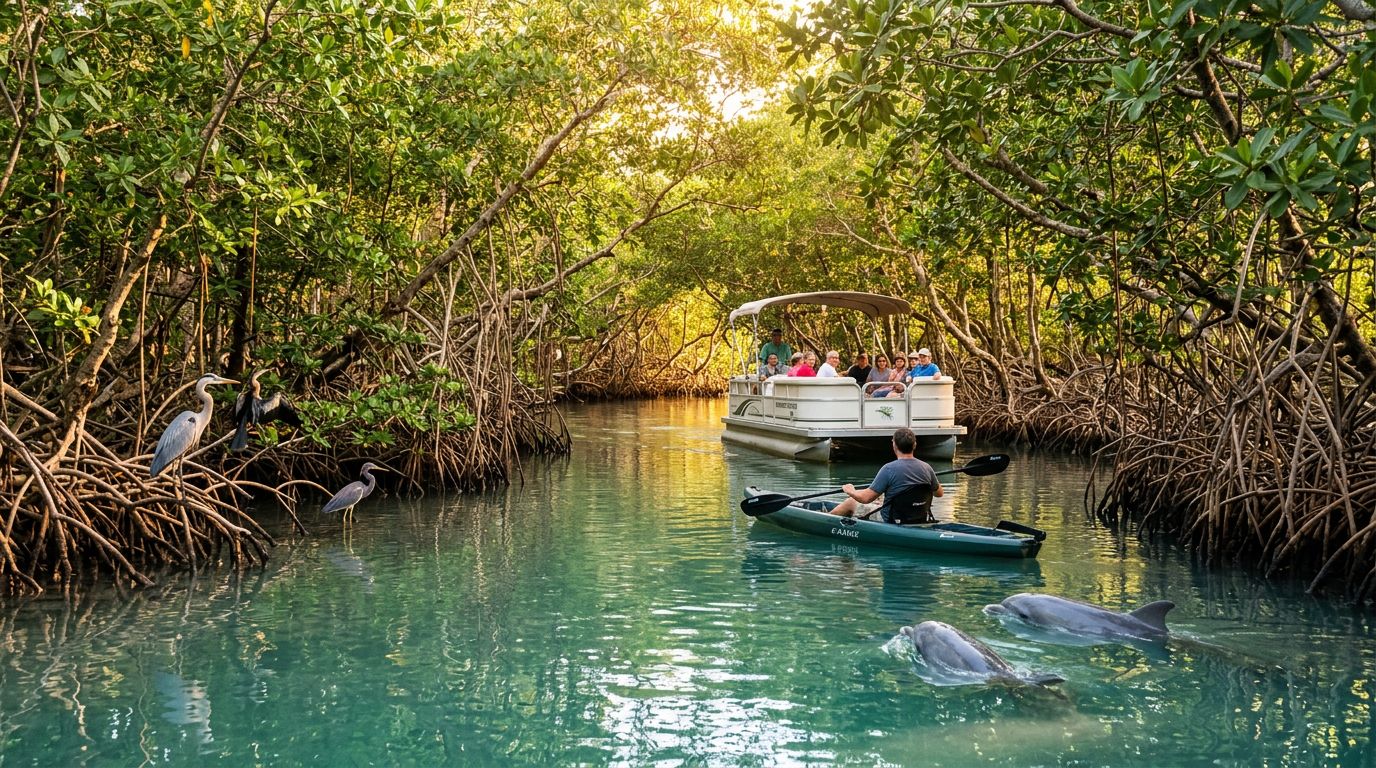
The Calusa Blueway is a marked paddling trail, so you are not guessing your way through open water. That alone lowers the stress level for new kayakers. You can pick a short route, stay close to shore, and turn around early if the day feels longer than expected.
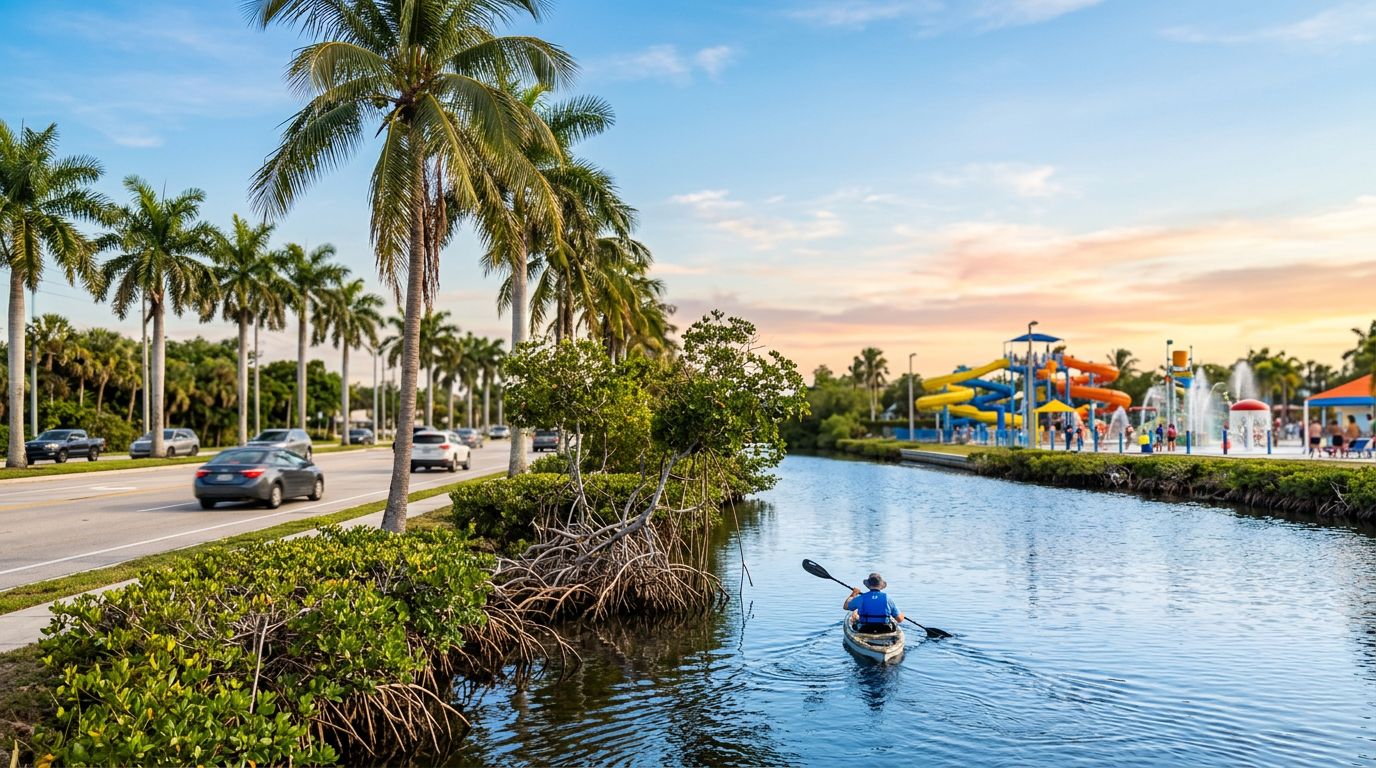
That matters because beginners do better in protected water. Narrow creeks, canals, and backwaters feel steadier than broad, windy stretches. They also give you more room to practice simple skills, like steering, stopping, and watching how your kayak responds.
Visit Fort Myers has a helpful Calusa Blueway guide for novice paddlers. It points beginners toward protected water and lighter wind, which is a smart rule for the Cape Coral area too. If the forecast looks breezy, save the trip for another day.
A calm launch beats a long route on your first paddle.
That simple idea keeps the outing fun. You are not trying to prove anything. You are trying to build comfort on the water, one short trip at a time.
The Cape Coral Blueway also helps because it gives you options. If one launch looks busy, you can choose another. If one route feels too open, you can move to a more sheltered spot. That flexibility is what makes the trail work so well for beginners.
Launch Spots to Check First in Cape Coral
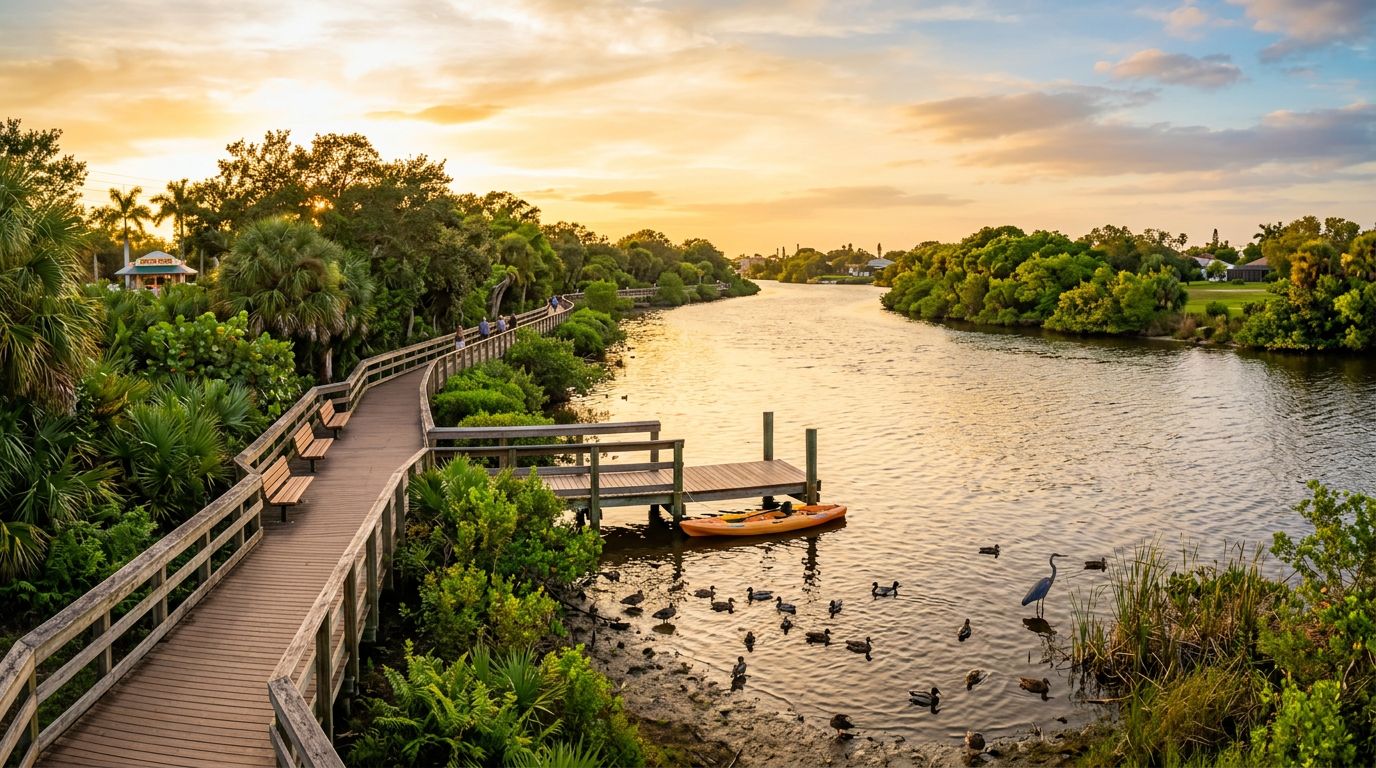
Cape Coral's own kayaking locations page is a good place to start. It lists parks where paddlers can launch, which makes trip planning much easier before you load the car.
For first-timers, the best launch is usually the one with the shortest walk from parking, the simplest entry into the water, and the clearest way back out.
| Launch spot | Why beginners like it | What to check first |
|---|---|---|
| Four Mile Cove Ecological Preserve | Calm water and an easy place to keep the trip short | Current parking, restroom access, and park hours |
| Sirenia Vista Park | Quiet water and a simple launch for a low-key paddle | Wind exposure and any posted launch rules |
| Sands Park area | Useful for a short practice run close to shore | Parking and how busy the launch feels that day |
| Yacht Club area | Good for a quick out-and-back when the water is calm | Boat traffic, wind, and the safest return path |
Four Mile Cove is often the first place new paddlers look because it keeps the pace slow. Sirenia Vista and Sands Park are also worth checking if you want a shorter outing. The Yacht Club area can work well too, but only when the weather stays calm.
Parking is the first detail to sort out. Restrooms are less consistent, so check each park before you go. That small bit of planning saves a lot of hassle later.
If you want the easiest choice, pick the launch that gives you the cleanest entry and the shortest route back to land. A beginner trip should feel smooth, not complicated.
How to Plan a Short, Calm Paddle
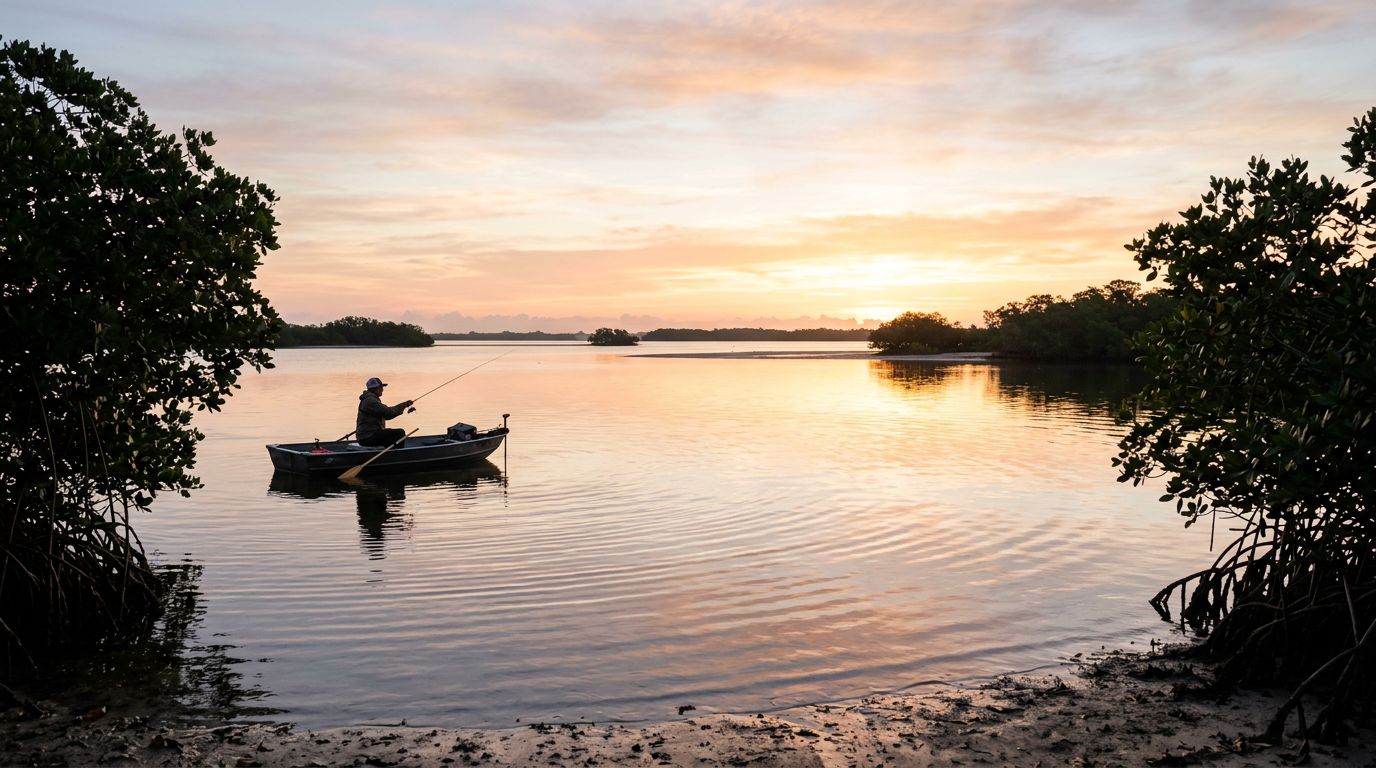
A first paddle should feel more like a light walk than a workout. That means starting early, keeping your route short, and leaving enough time to pack up without rushing. Morning is usually the best window because wind tends to stay lower.
Weather deserves a quick check before you leave. Wind is the biggest factor for beginners, but tide still matters in narrow areas. A change in tide can alter your return, especially if you drift into shallow water or a tighter creek.
Use a simple plan like this:
- Pick a protected launch spot.
- Check the wind and tide forecast.
- Keep the paddle under an hour.
- Bring water, sun protection, and a dry bag.
- Tell someone where you are going and when you expect to be back.
That kind of trip leaves room for learning. You can practice paddling strokes, try a turn, and notice how the kayak moves without fighting the water.
A dry bag helps more than most beginners expect. Put your phone, keys, and a small towel in it. Then add sunscreen and a hat, because Cape Coral sun can wear you down fast.
If your paddle ends near Santa Barbara Blvd, the Gino's Pizza contact page has the phone number and address in one place, which makes a post-paddle pizza stop easy to plan. A calm morning on the Blueway and a hot slice later is a very good Cape Coral combo.
Safety Habits That Make a Big Difference
Safety gets easier when you keep the setup simple. You do not need a long gear list, but you do need a few habits that stay with you every time you paddle.
A beginner trip goes better when you treat the water like a place that changes fast. A launch that feels quiet at the start can feel different by the time you head back. Wind shifts, boat wakes, and afternoon heat all matter.
Here are the habits that help most:
- Wear a U.S. Coast Guard-approved life jacket.
- Paddle with a buddy when you can.
- Stay close to shore on your first trip.
- Turn back early if the wind picks up.
- Keep your phone in a dry bag.
- Watch for boat traffic near open areas.
If one of those steps feels unnecessary, that is usually the sign it matters. New paddlers often focus on the route and forget the basics. The basics are what keep the day easy.
The other thing to remember is that you do not need to paddle far to get value from the trip. A short, quiet loop can teach you a lot. It can also show you which launch spots feel comfortable and which ones you want to skip next time.
Conclusion
The best beginner kayak launch on the Cape Coral Calusa Blueway is the one that keeps the day calm. Protected water, a short route, and a simple exit matter more than chasing distance.
Check the weather, pick a sheltered spot, and keep your first trip small. That approach makes Cape Coral feel welcoming on the water, the same way a good local slice feels after you get back to shore.
A steady start builds confidence fast, and that is the real win for a first paddle.