Tropical Point Park Cape Coral Guide for Fishing and Wide Water Views
The Tropical Point Park Cape Coral search usually points to a quiet Pine Island park, not a busy waterfront inside the city. That mix of mangroves, flats, and open water is why anglers keep asking about it.
If you want a low-key outing with a real shot at redfish or trout, this spot fits. It also gives you the kind of wide views that make the drive feel worth it. Keep reading for the best times to go, what to pack, and how to fish it without wasting a trip.
Why this Pine Island spot keeps showing up in Cape Coral searches
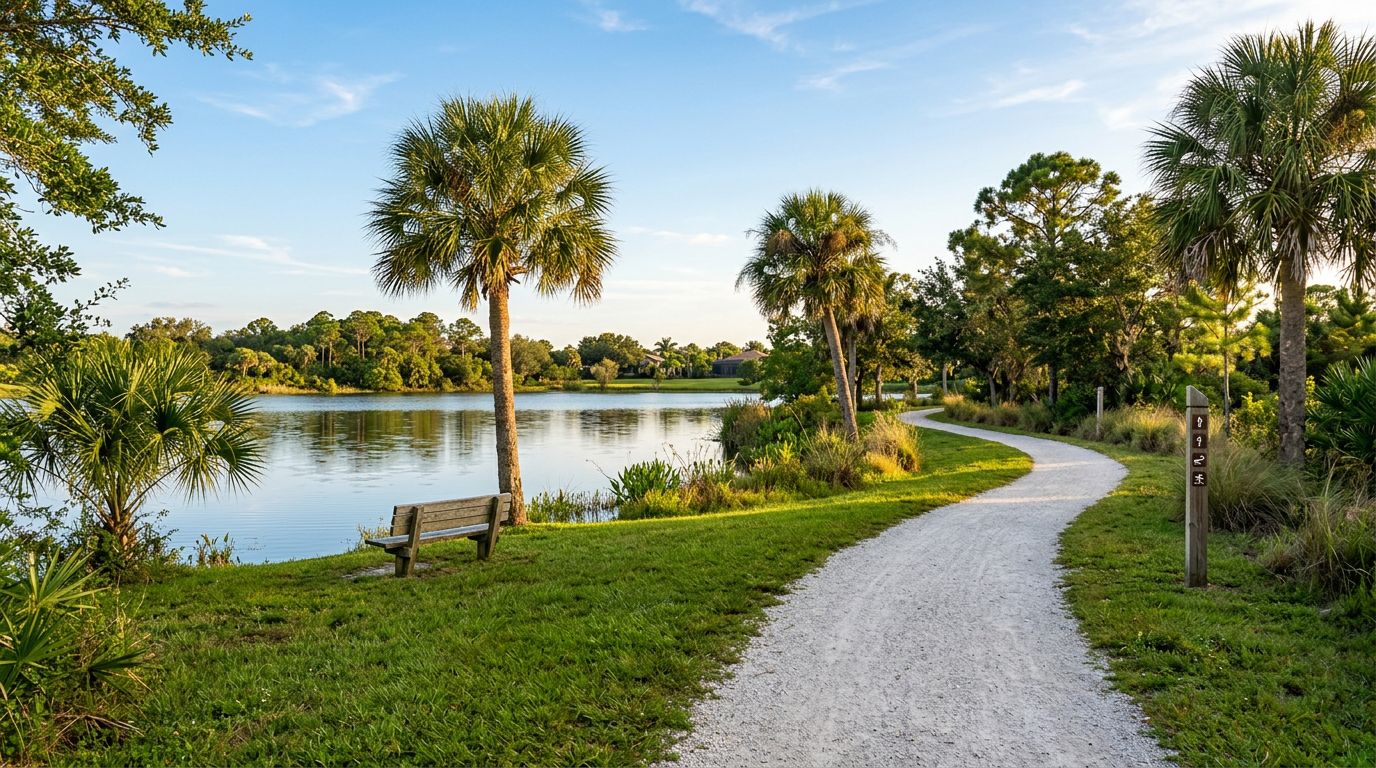
Tropical Point Park sits in the Pine Island area, so Cape Coral visitors usually make it a half-day or full-day outing. The setting feels quiet, coastal, and simple. You get natural shoreline, shallow water, and a slower pace than most city parks.
For a broader look at the island, Visit Florida's Pine Island guide gives a helpful picture of the area's easygoing outdoor feel. That matches what most people want here, a break from traffic, a little salt air, and time on the water.
Do not expect a big marina scene or a polished fishing complex. This is more about the shoreline than the extras. If you like parks where the water is the main attraction, you'll feel at home fast.
What fishing at Tropical Point Park feels like
Fishing here works best when you treat the shoreline like a living edge, not a fixed dock spot. Anglers use it for wade fishing , kayak fishing , and paddle boarding. The water around the park can hold redfish, and trout show up too.
The real key is movement. On a moving tide, bait shifts along the mangroves and flats. That gives you a better shot than a dead, glassy morning with no current. Light tackle and quiet steps matter more than heavy gear.
A soft approach matters because the water can get skinny. If you move too fast, fish slide off the edge before you ever make a cast. Shrimp, small paddletails, and other subtle baits are good starting points. Heavy hardware usually gets more attention from the angler than the fish.
Best times by tide and light
This simple timing guide keeps the day easy.
| Time | What you may see | Best approach |
|---|---|---|
| Sunrise | Calm water, low glare, fewer people | Work the edges first and keep casts short |
| Moving tide | Bait and game fish on the move | Target mangroves, oyster bars, and small cuts |
| Sunset | Cooler air, softer light, more activity | Fish until the light fades, then pack up slowly |
If you only have one window, choose sunrise or the last hour before sunset. The water is easier to read, and the park feels calmer. A dead tide can still produce fish, but a moving tide gives you more options.
The best cast here is often the quiet one. Less noise, lighter gear, slower moves.
Wide water views are part of the draw
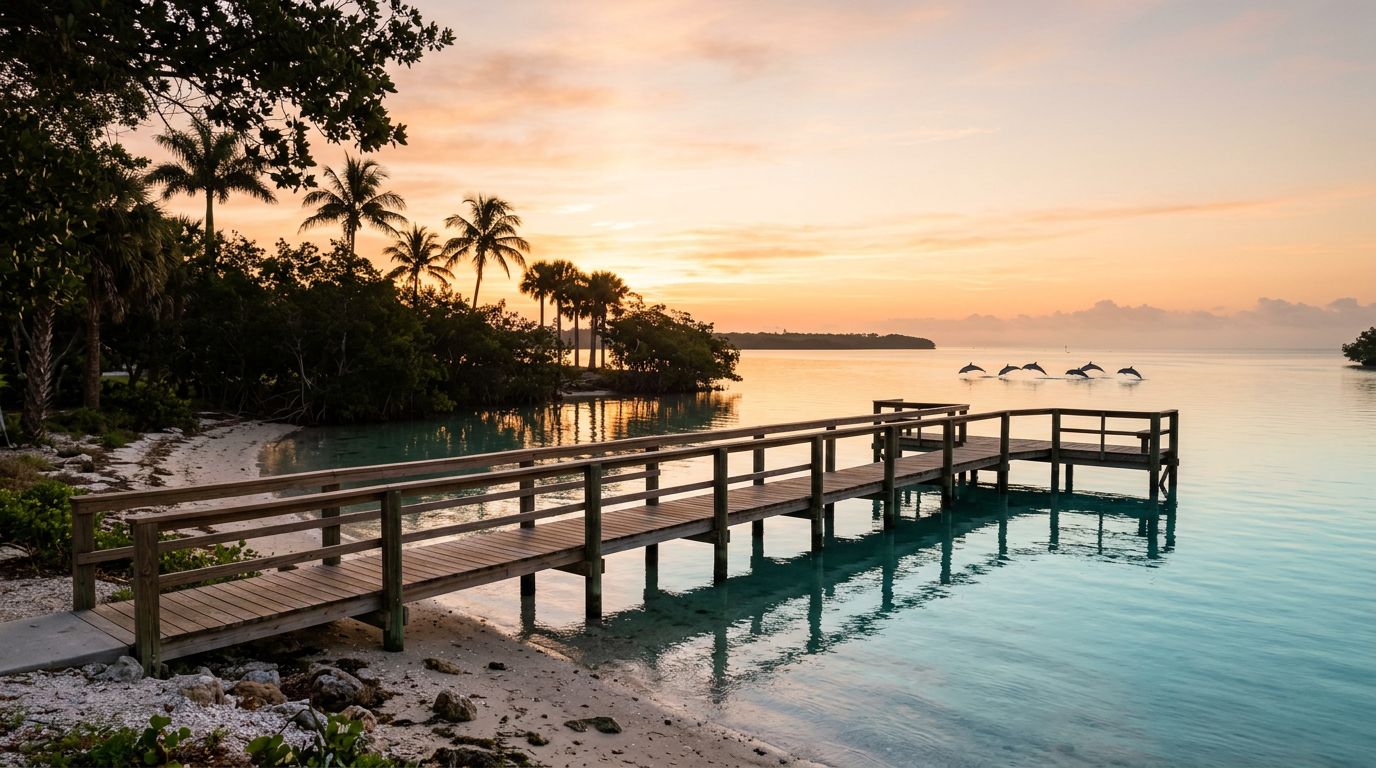
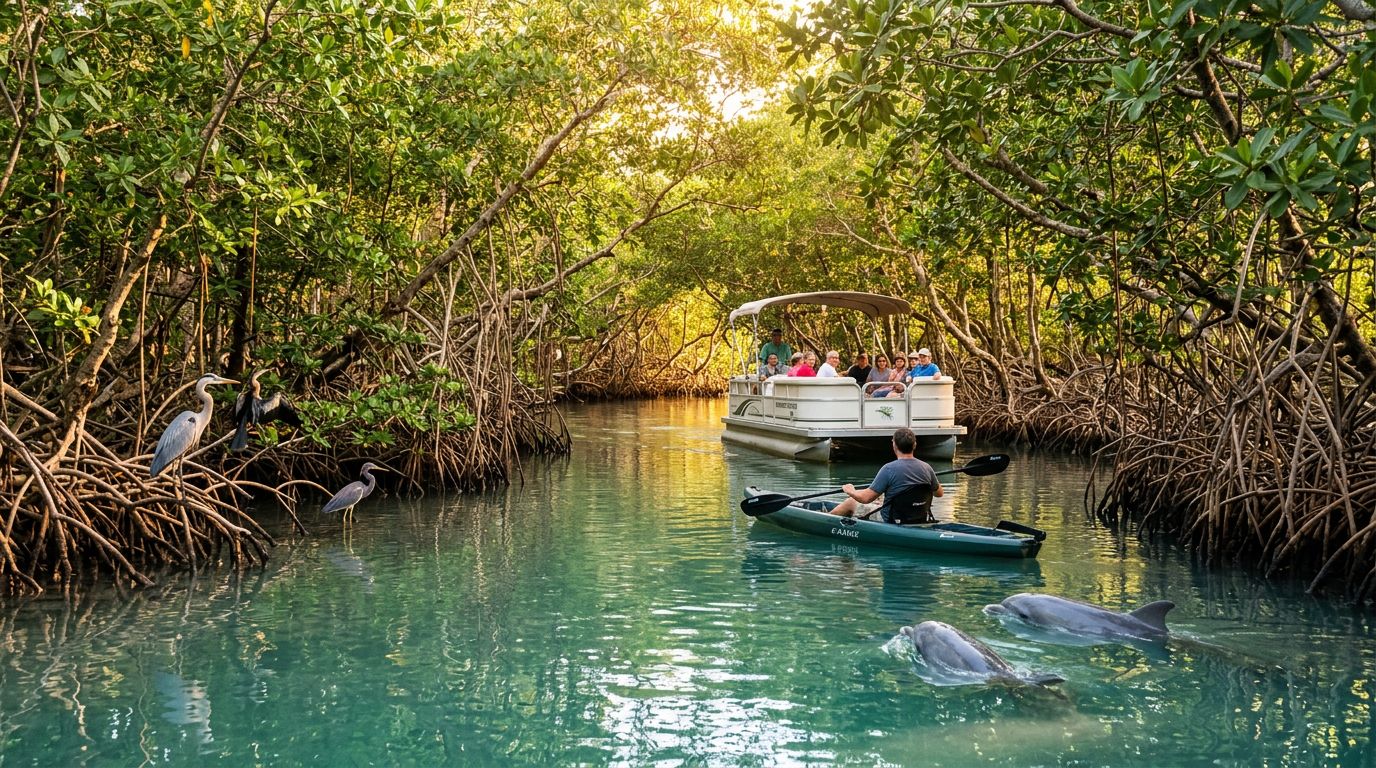
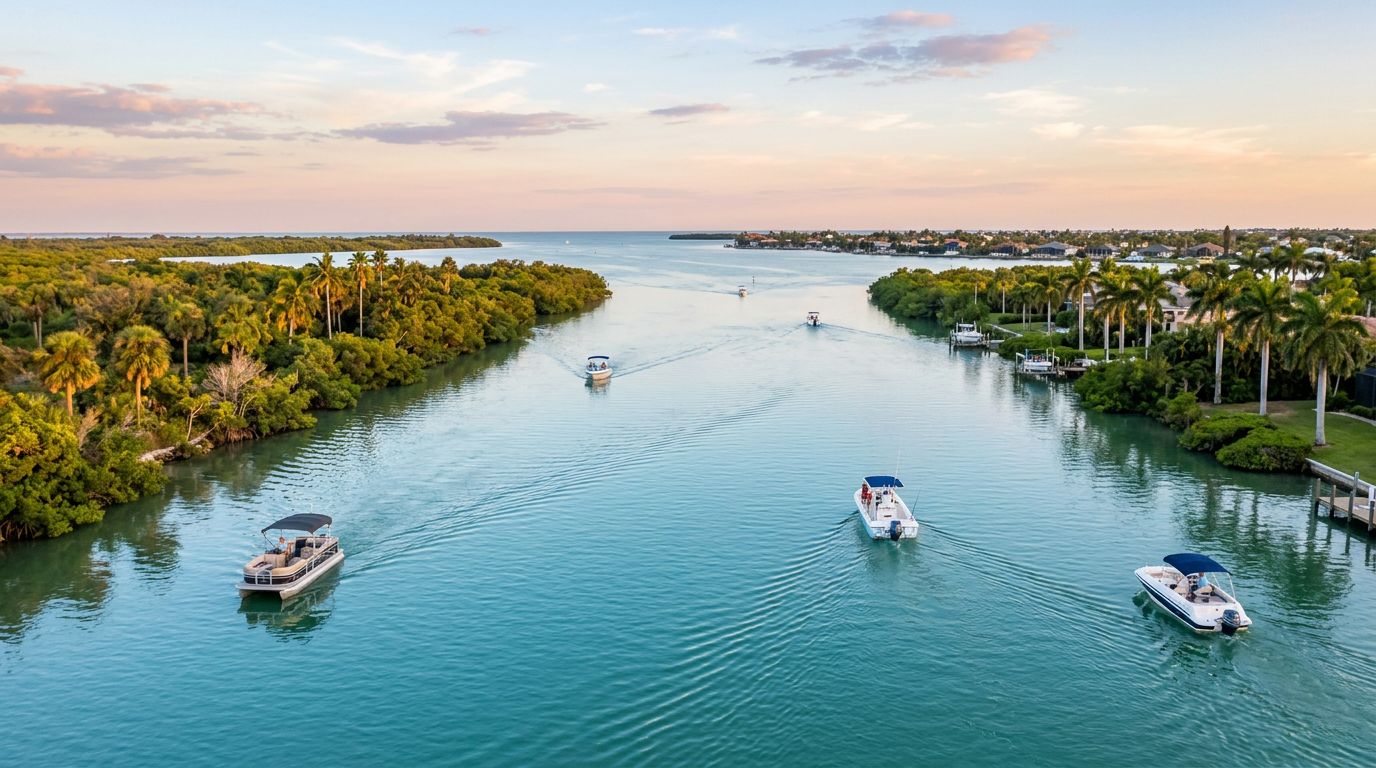
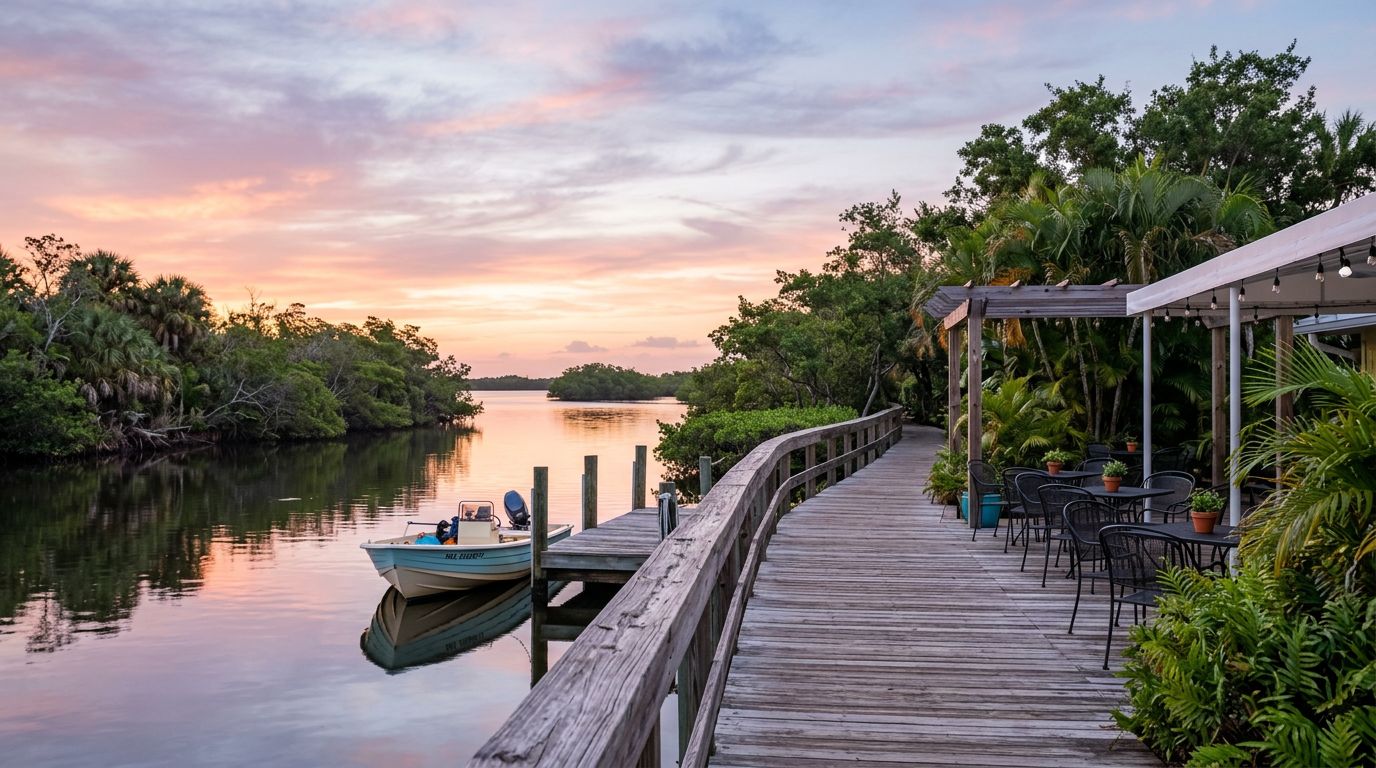
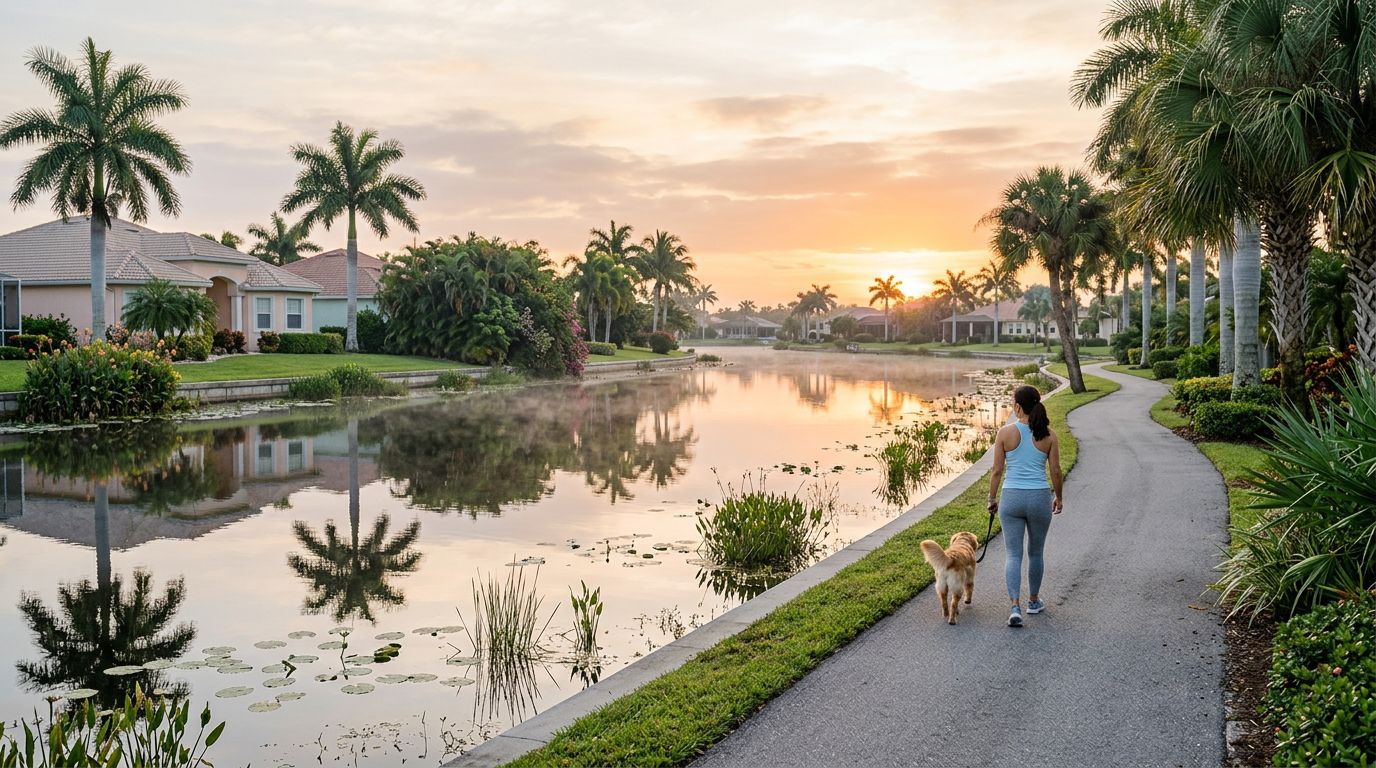
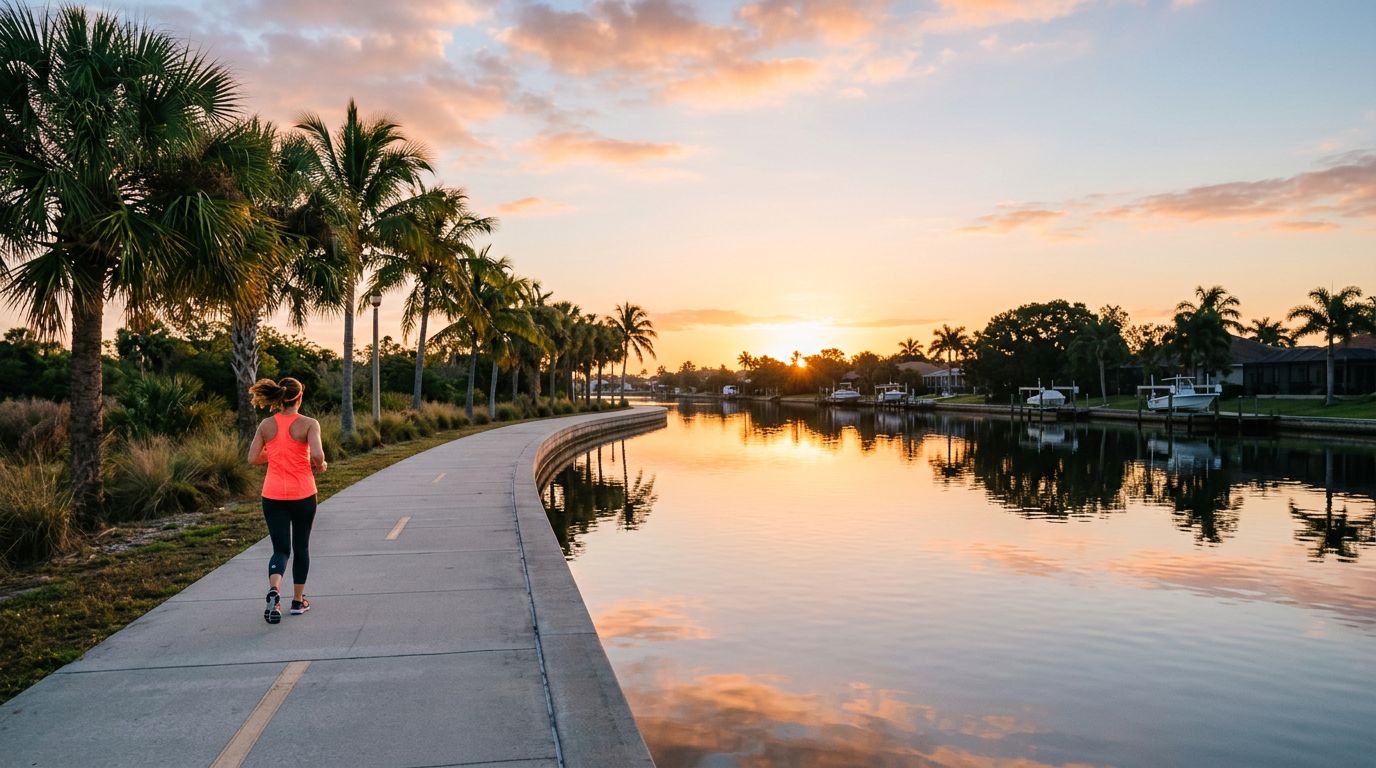
The views are a big reason people stop here, even when they came for fishing. The sightlines feel open because the shoreline stays low and the water changes with the tide. Mangroves frame the edges, flats catch the light, and the whole place can turn gold near sunset.
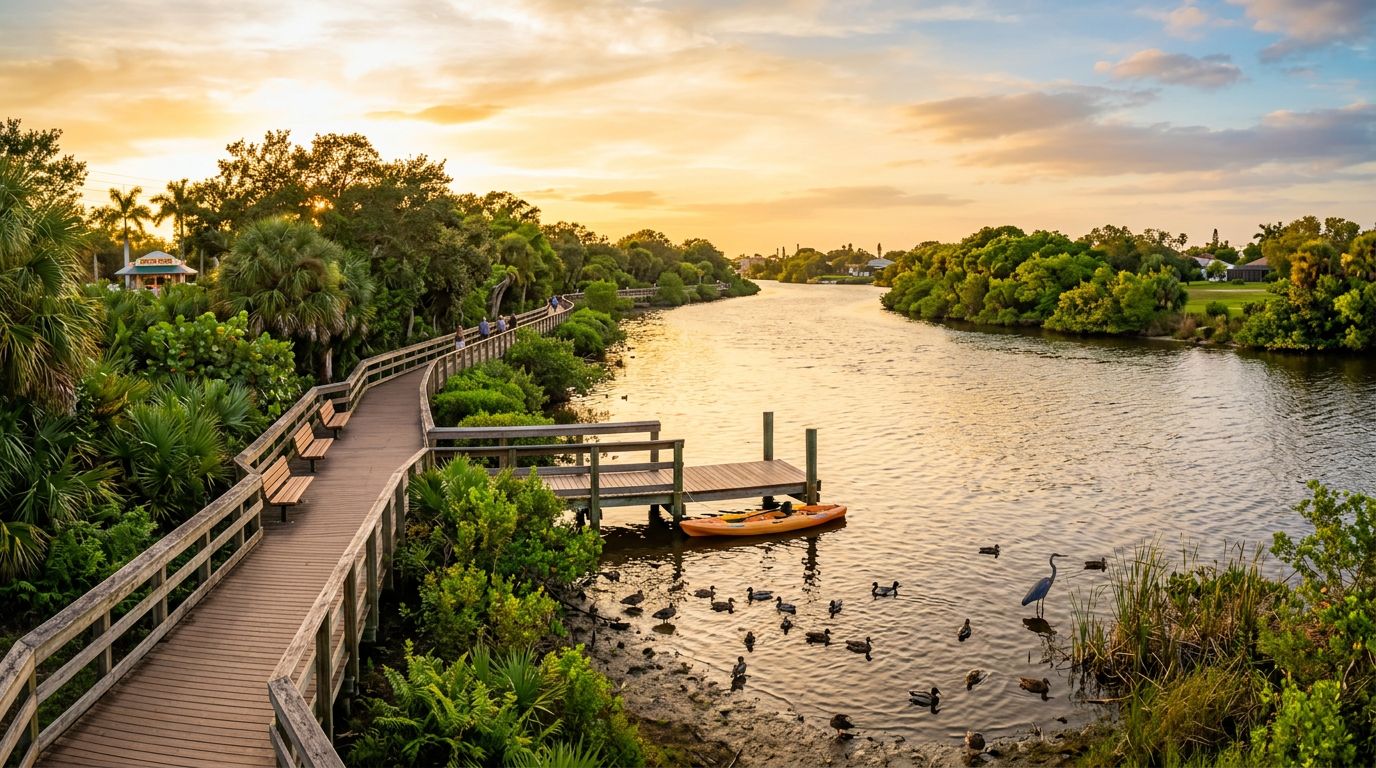
Birds add to the scene. You may see herons, egrets, and other shorebirds working the shallows. Bring binoculars or a phone with a decent zoom if you like simple nature shots. The park is at its best when you slow down enough to watch the water move.
Sunrise is the better bet if you want quiet. Sunset wins if you want color. Arrive 30 minutes before your first cast, or before the last line of gold hits the water. Those are the moments when the park feels widest.
What to bring for a smoother trip
A little prep makes the visit smoother, especially if you're fishing by foot or from a kayak. The shoreline is easy to enjoy, but it's better when you bring the basics.
- Polarized sunglasses help cut glare and make water movement easier to spot.
- Sunscreen, a hat, and bug spray matter because the open shoreline can feel harsh.
- Light tackle and soft plastics keep your setup simple and match the kind of fishing here.
- Live shrimp can help if you want a straightforward bait option.
- A landing net, pliers, and a small cooler make catch handling easier if you plan to keep legal fish.
- Water and a snack keep the day comfortable, especially if you stay for sunset.
- A trash bag keeps the spot clean when you leave.
- A dry bag or phone pouch helps if you're paddling or wading.
If you're heading back to Cape Coral after the trip, light gear also makes the drive easier. Nobody wants to pack a car full of wet tackle before grabbing lunch or a pizza stop.
Courtesy and safety that keep the trip easy
Courtesy matters at a small park. Give other anglers room, avoid crossing in front of someone's line, and keep noise down near the water's edge. If you wade, watch for slick spots, oyster cuts, and sudden depth changes. If you paddle, wear a life jacket and keep an eye on wind, because an easy launch can turn rough faster than people expect.
Check your Florida fishing license before you go, and follow current bag and size limits. That part is easy to forget when the day looks casual. It still matters.
Keep the pace slow when you move around the shoreline. Small parks can feel relaxed, but a careless cast or a rushed step can spoil the trip. Clean gear, quiet movement, and a little patience go a long way.
If you want a Cape Coral backup plan
Because Tropical Point Park sits on Pine Island, some Cape Coral readers want a closer option for shorter outings. If that's you, the top Cape Coral shore fishing spots guide gives you in-town choices that work well for quick trips. For paddlers, the Rosen Park kayak fishing guide is useful when you want water access without leaving Cape Coral.
That gives you a simple choice. Go to Tropical Point Park when you want a Pine Island day with bigger views, or stay closer to home when you only have a few hours. You can still build a good outing around either one and keep the drive worth it.
If your day starts in Cape Coral, a breakfast stop, a few hours on the water, and a hot pizza on the way home is an easy plan. The park works well for that kind of trip because it doesn't demand a full gear dump or a complicated schedule.
Conclusion
Tropical Point Park works because it keeps things simple. You get calm water, a real chance at fish, and a view that changes with the light.
Go early, watch the tide, and keep your setup light. If you treat it like a quiet fishing stop instead of a rushed checklist, it pays off.
For Cape Coral anglers, that makes it an easy spot to keep on the map. The right tide, a little patience, and a good sunset can do more than a pile of gear ever will.